
The word Aaji for us always meant my maternal grandma. My father lost his mother at a very young age so we grew up with only one grandma, my mother’s mother – Shobhana Chari. For a long time I did not even know her name. She was always Aaji to us who lived in Mahim. Having grown up in Vasco, she had moved to Mumbai in the early sixties after her marriage to my grandfather. To go to visit her, we would take the train, get down at the Matunga Road station and then make the uphill climb on the slope that connected us to the main road. From there if we were lucky, we would get a cab or take the circuitous route via the chawls and lanes behind the Karnataka Hall. We would walk past Moghul Road and then the Undertaker’s Hearse would come into view. A sign that we were home.
Visiting the house that my mother grew up in was always a unique experience. It was a tiny house with two rooms, one of which doubled up as a kitchen and a bedroom at night. The roof was the classic sloping one complete with red Mangalore tiles. The most fascinating part about the roof was that it had a sun roof in the middle, a small patch of glass that allowed the sun to filter into the room and light it up. My mother and aunts still remember that the house also had a coconut tree living within its walls. It stood tall, looming over the house. In the night it creaked and groaned eerily as the wind blew, especially during the rains and one night a coconut came crashing down on the roof and hit the glass patch, sending shattering glass down and injuring my aunt.
I remember sleeping under the skyroof during the afternoons and nights. It was always amazing how everyone fit in within the small confines of the house. I would imagine the house adjusting itself around the edges to accommodate the guests. And guests, those were plenty in those times, even more so before I was born. My mother still remembers the various relatives, close and faraway ones, who would make a pitstop at Mumbai from Goa and gladly check-in to the small Chari home for days on end enjoying the warm hospitality.
My grandfather was a carpenter by profession and right outside the house was his workshop. A sturdy table on which he brought wood to life. His craftsmanship was superior grade, which also got passed down to my youngest uncle who eventually followed in his footsteps. The major pieces of furniture that he built for us were a bed and a convertible dining table and the bathroom door – all of which survived at least six to seven instances of flooding in the house I grew up in. These included the 26th July ones where the house was remained flooded for hours together. All of them still stand sturdy to this date without much damage. In that workshop, I would tinker with a small hand saw, hammer and nails – making odd items from the scrap wood that was always lying around in the space.
But what I looked forward to the most, especially as I grew up, was the food prepared by Aaji. It was simple Goan food, occasionally spicy but always wholesome. There would always be some form of fish served with salted raw mangoes. The fish was not always the usual surmai, pomfret kinds. But they brought all kinds of fish – tarli, modak, bombil, bangda but my most favourite was the modak fry – a sardine like small fish sourced from the bustling Gopi Tank Market nearby eaten with rice and curry. It was the kind of food that one can never source at any establishment or any other household. It is distinct, almost endemic only to the Chari kitchen. The taste is hard to replicate and a reflection of her personal style of cooking. How long did she let the mustard crackle, how much garlic did she put, what was her measure of salt? When and how many kokams did she add? How long did she let the curry simmer before adding in the fish. These were the nuances that defined her cooking which was inimitable.
My Aaji was a soft spoken person who would always smile and never guffaw. She would always speak in chaste Marathi with my father and I and in Konkani with the rest of the family. She would never throw a tantrum or speak ill of anyone. She had supported the family by taking up tailoring and would continue to operate the Singer machine for a long time. She never raised her voice or her hand on me and always was kind to all. I never understood the source of her resilience but it was always there. Through good times and bad. There were times when my mother and her siblings only ate plates of pez or rice congee/kanjee for all the meals. But my grandmother never complained to anyone. She continued to be a good mother, making do with most of whatever was available.
When my grandfather died in 2013, I was leading a hike to Peb fort. I could not rush back for the funeral. So the next day I went to visit her. She held my hand and spoke at length about him. It was the most I had spoken to her in a long time. She faced the loss in her classic, accepting way, allowing time to take care of everything else. Over the last few years her memory started to fade but she remembered me and all her children. I was the first born in the house so perhaps the encoding of that memory was strong.
She would often recount episodes from a long time ago with absolute clarity but refused to recognise people whom she had just met. She became frail but her mind remained sharp. It was all the fish we joked, for what she remembered, was always in vivid detail. She loved to eat Dairy Milk and it became customary for us to take a big pack of it each time we visited. Her eyes would lit up with joy when she would see the chocolate in our hands. She would continue to chat with the visitors and would ocassionally break into a song or hum a familiar tune. She would always ask my mother if I had got a job and if my father was okay. After he passed away in 2018, we had not shared the news with her.
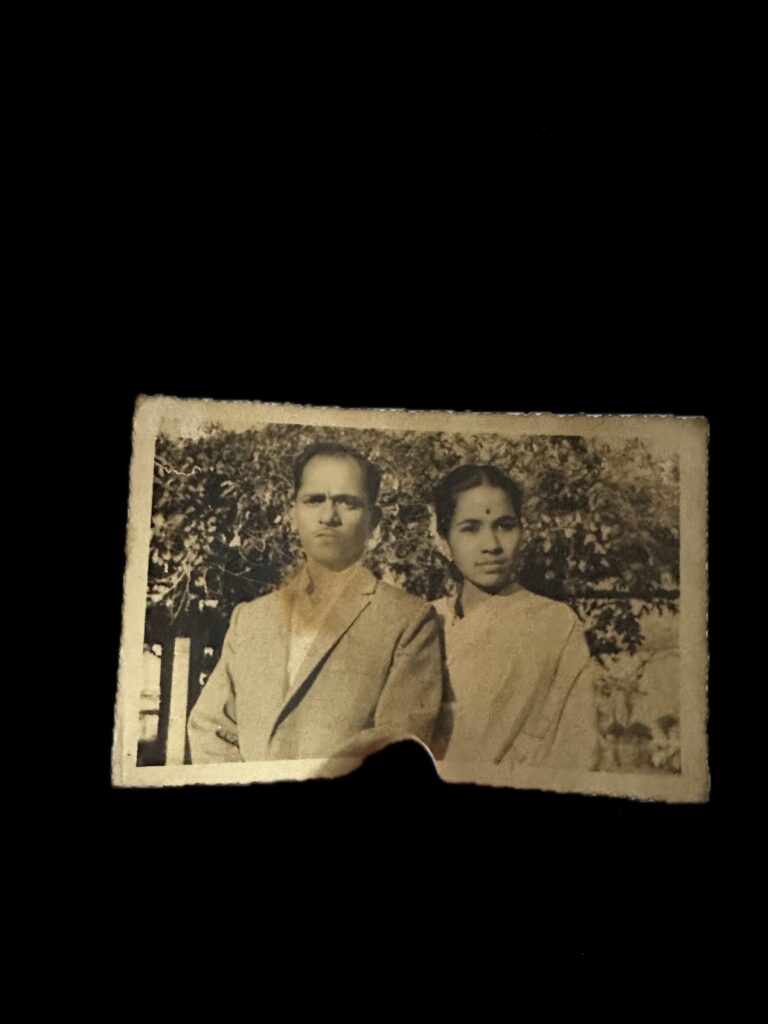
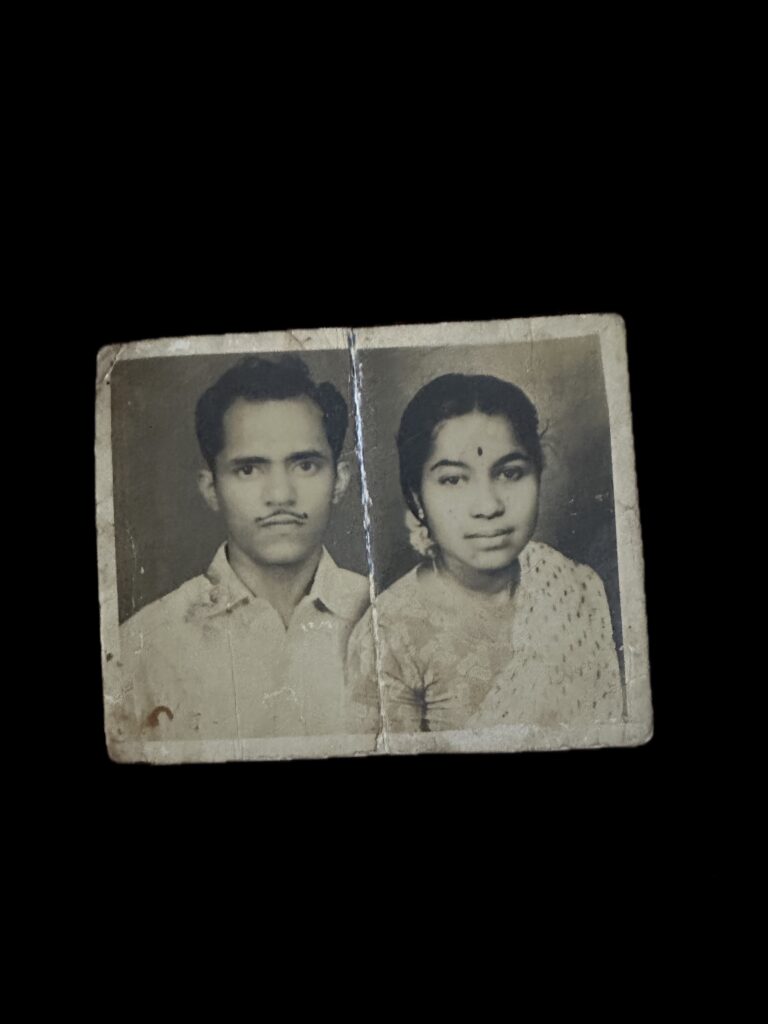
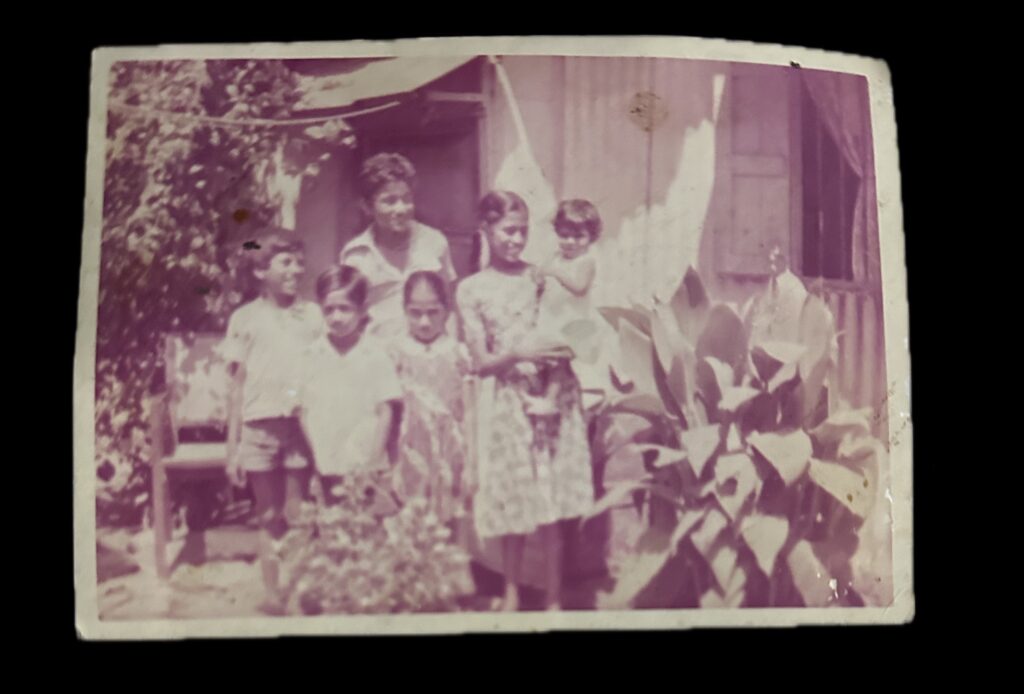
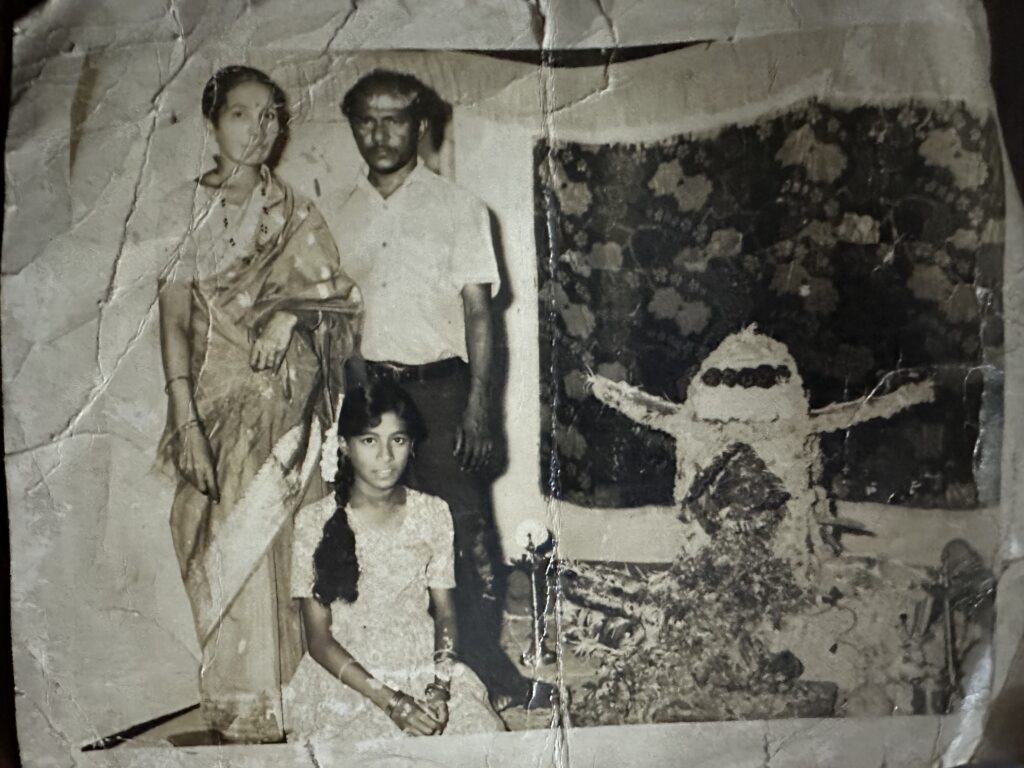
A few months ago I made a routine stop at Mahim. She had sat up and we were looking at old pictures together. Those black and white frames on thick paper captured her younger days quite well. You could see the simple plaited hair of the 60s and a faint hint of a smile. Some of the pictures were taken in Goa at the Souza and Paul photo studio in Cidade De Goa or in the City of Goa as the stamp on the back of these photos reads.
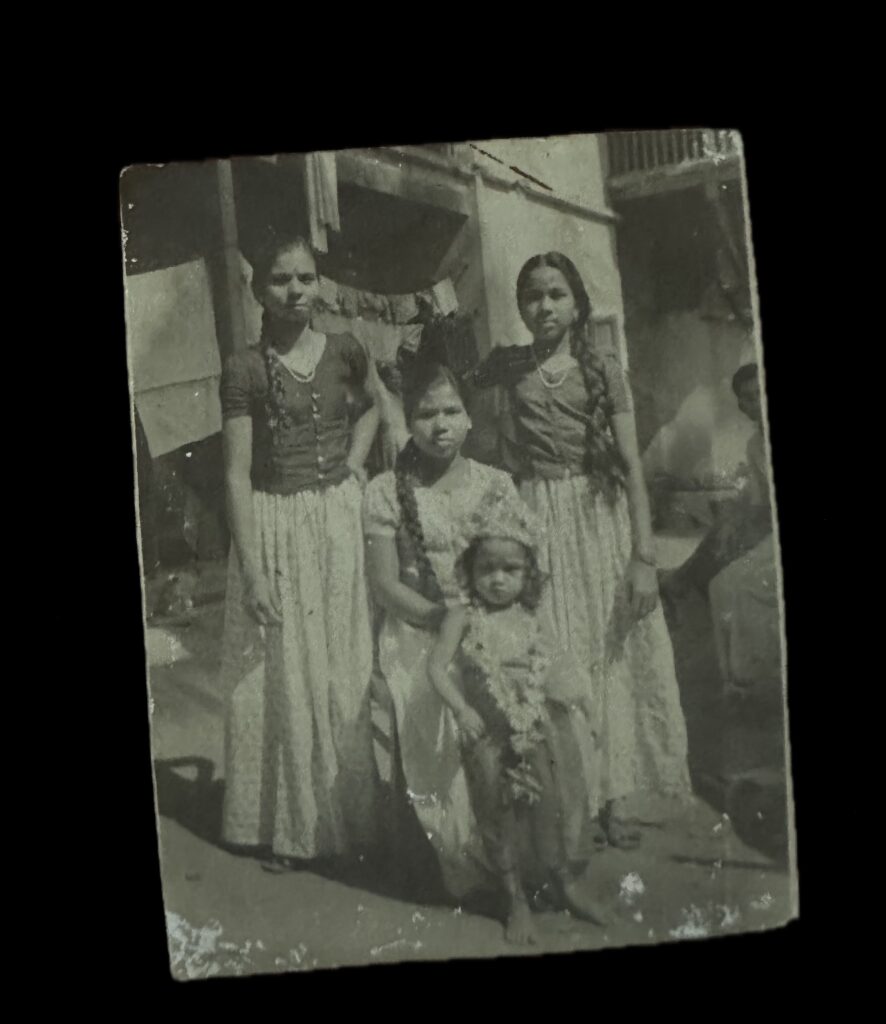
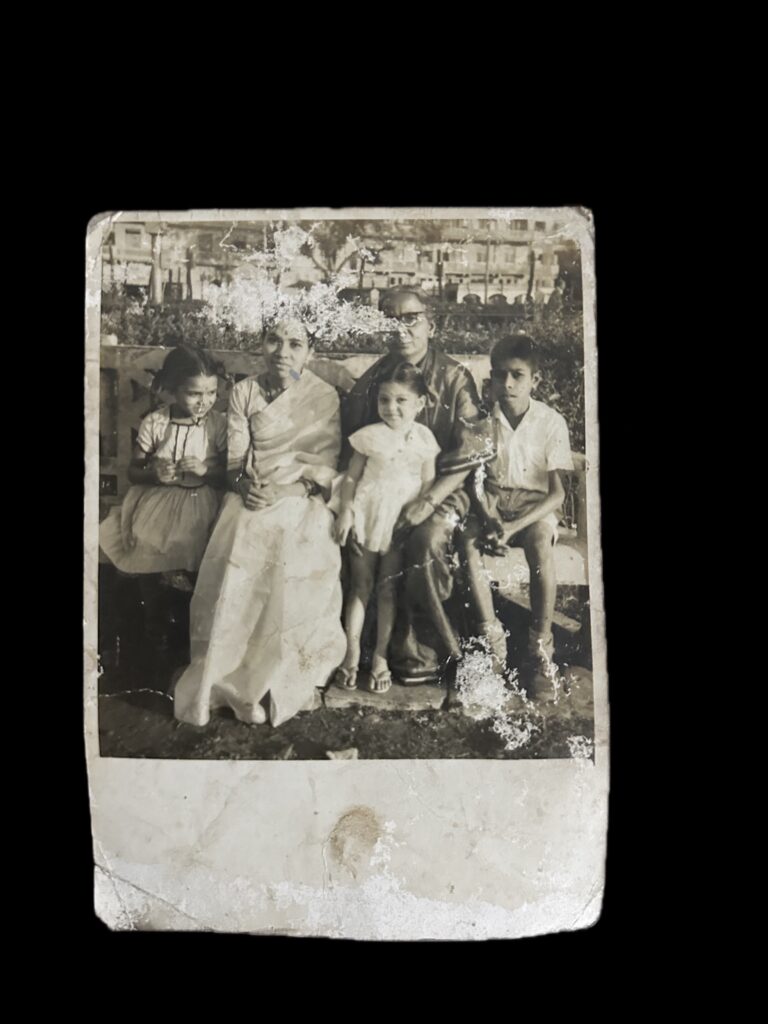
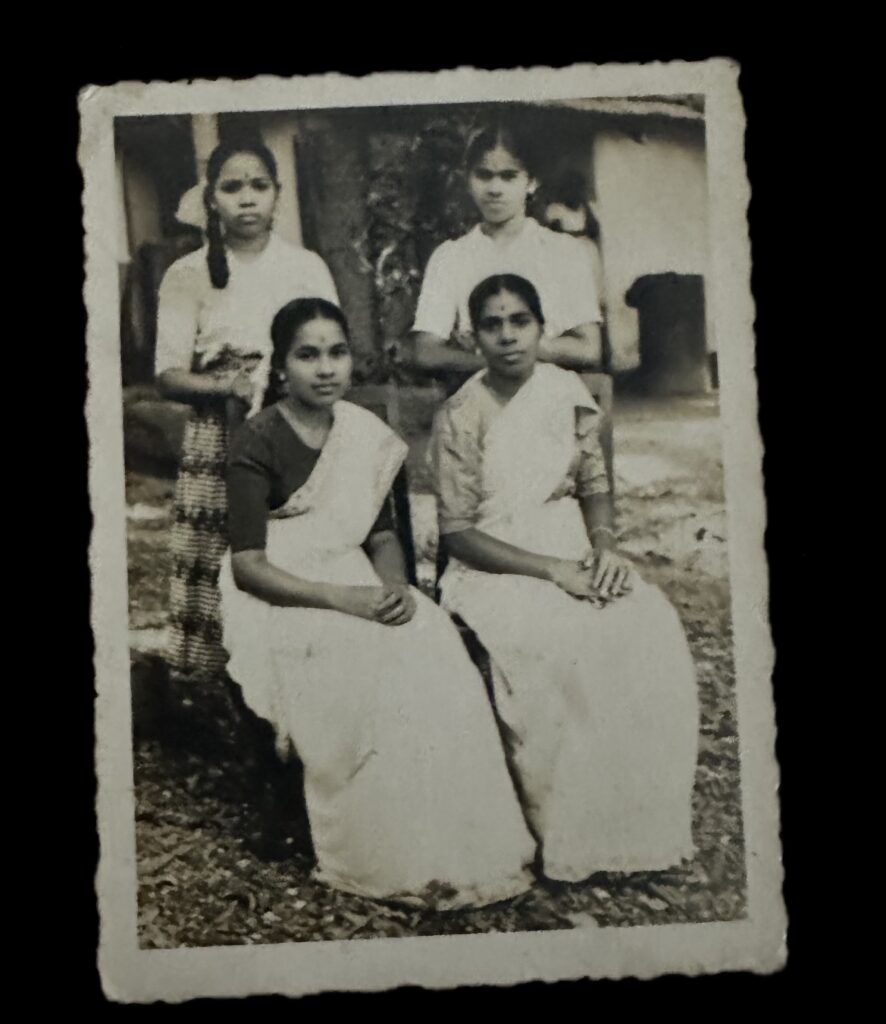
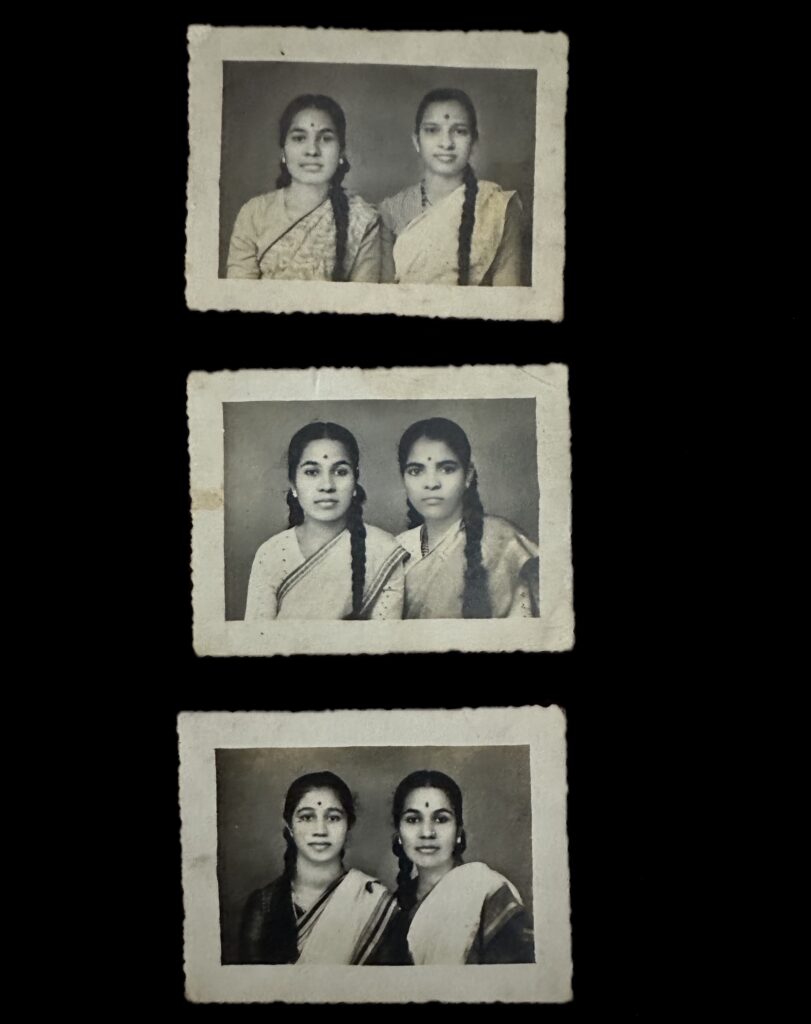
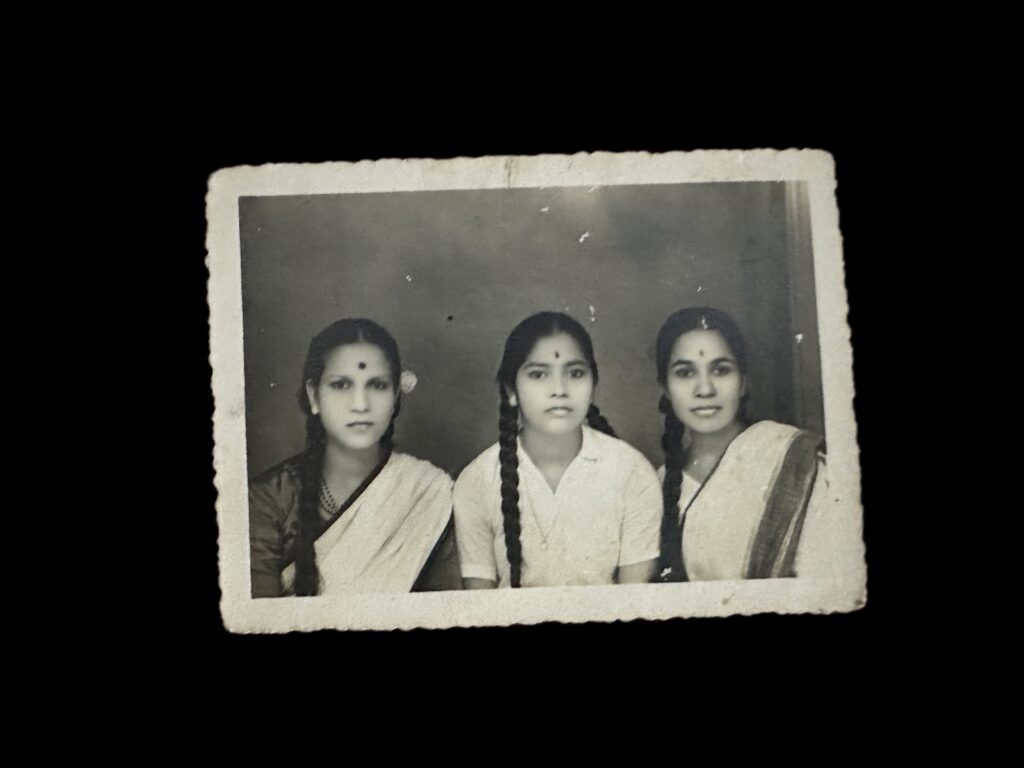
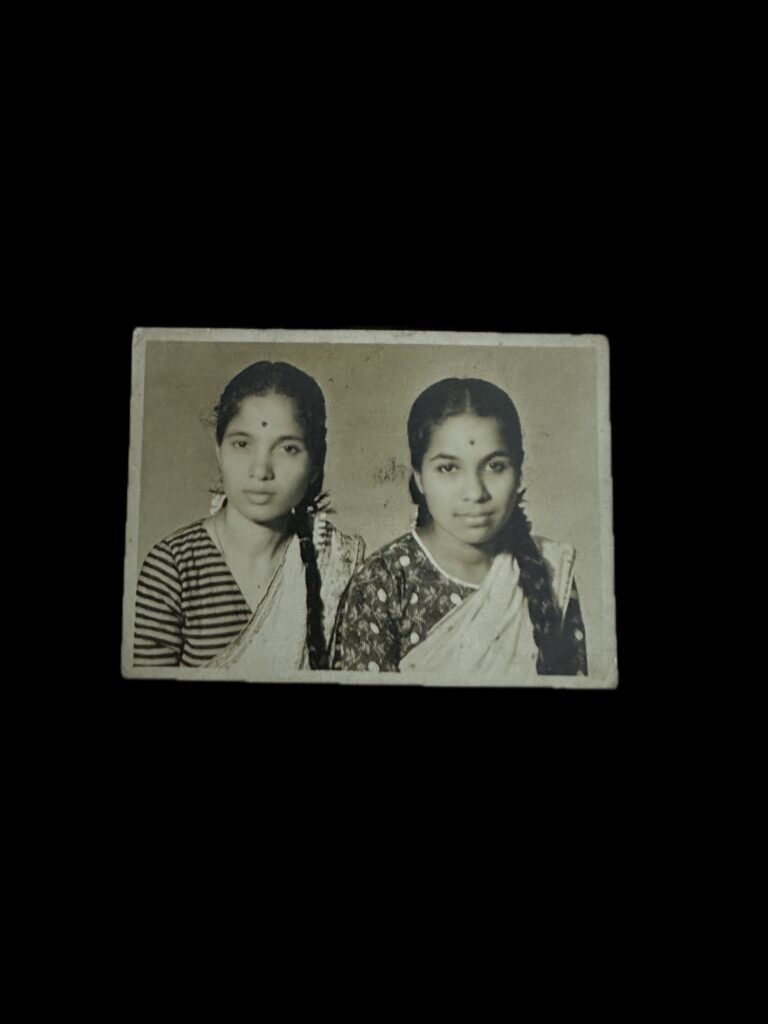
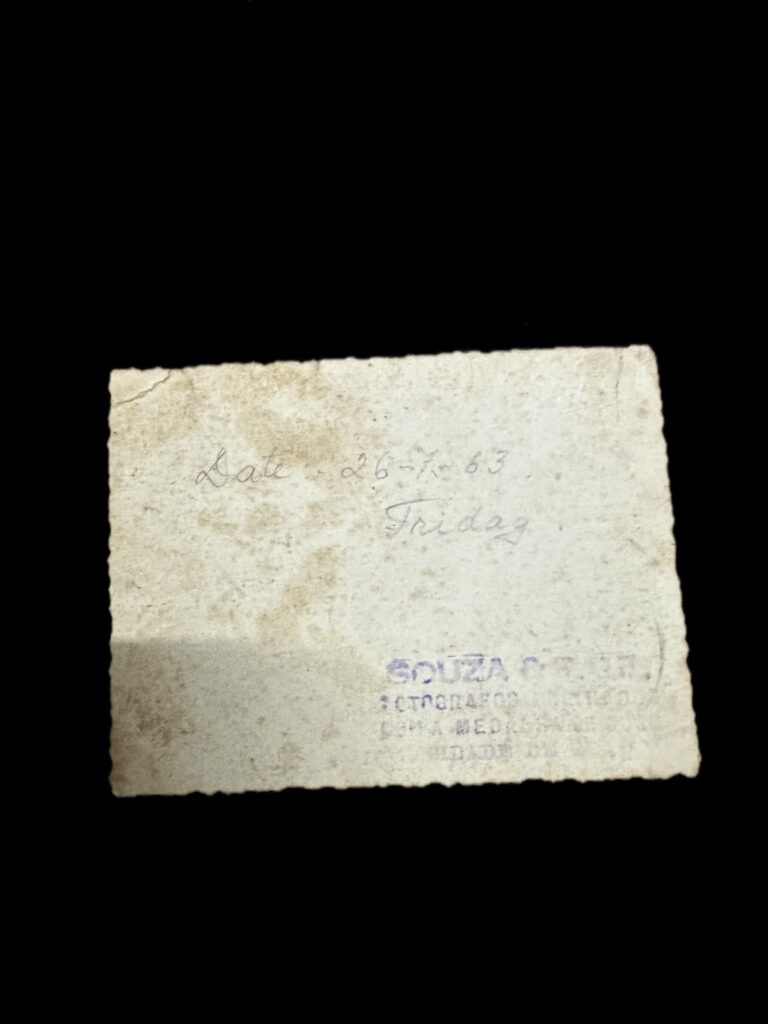
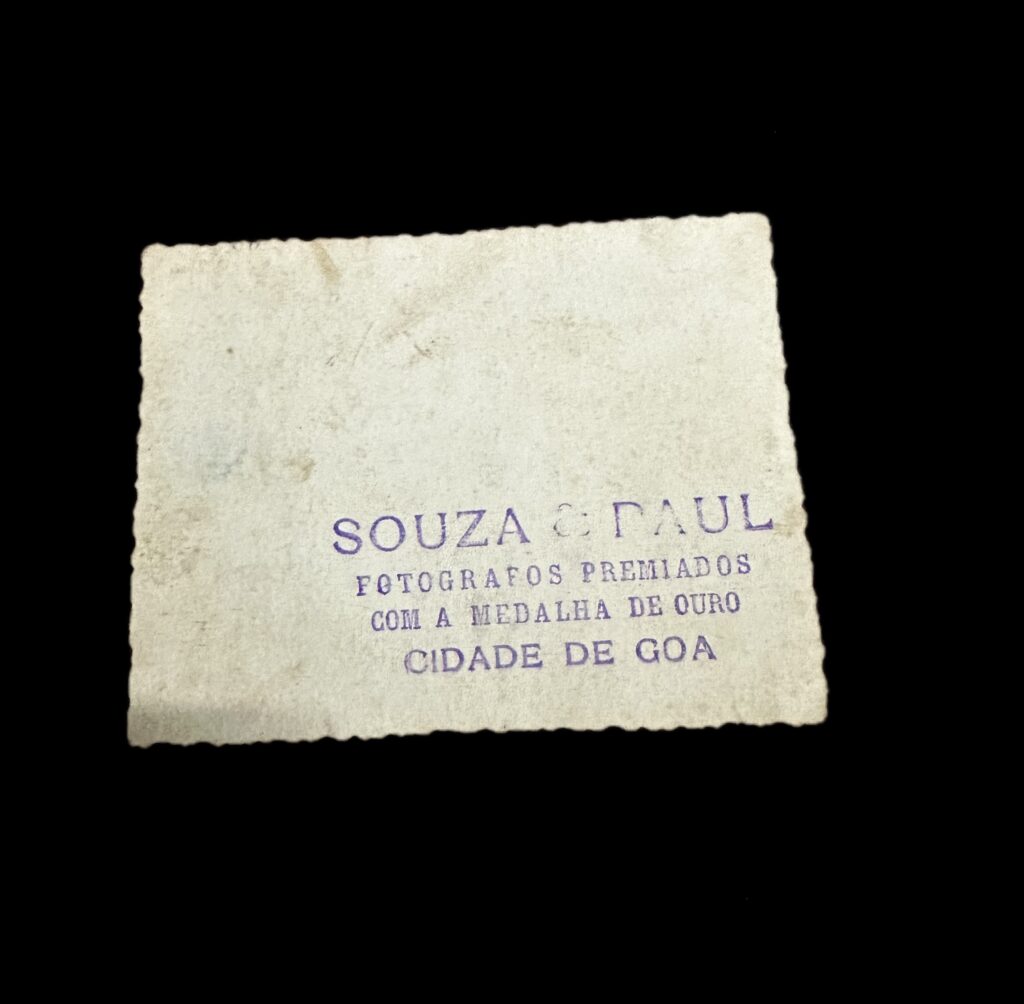
The stamp on the back is written in Portuguese (award winning photographers) and one of them has a date of 1963, post liberation. These photos not only were reminiscent of her past but also of an entire generation of Goans who migrated to the city. In the photos we also found a very old picture when my grandma was a little girl. Her hair is tied up in a thick plait and she is wearing a parkar-polka, a combination of a skirt and a blouse – traditionally what young girls wore in the villages. We could not find more photos to stitch together the decades but even these were good to find. We showed them to her. She didn’t seem to recollect them all. It did not matter, it was okay as she held my hand in her hand which was all skin and bones now. But warm, as she had always been to all of us.
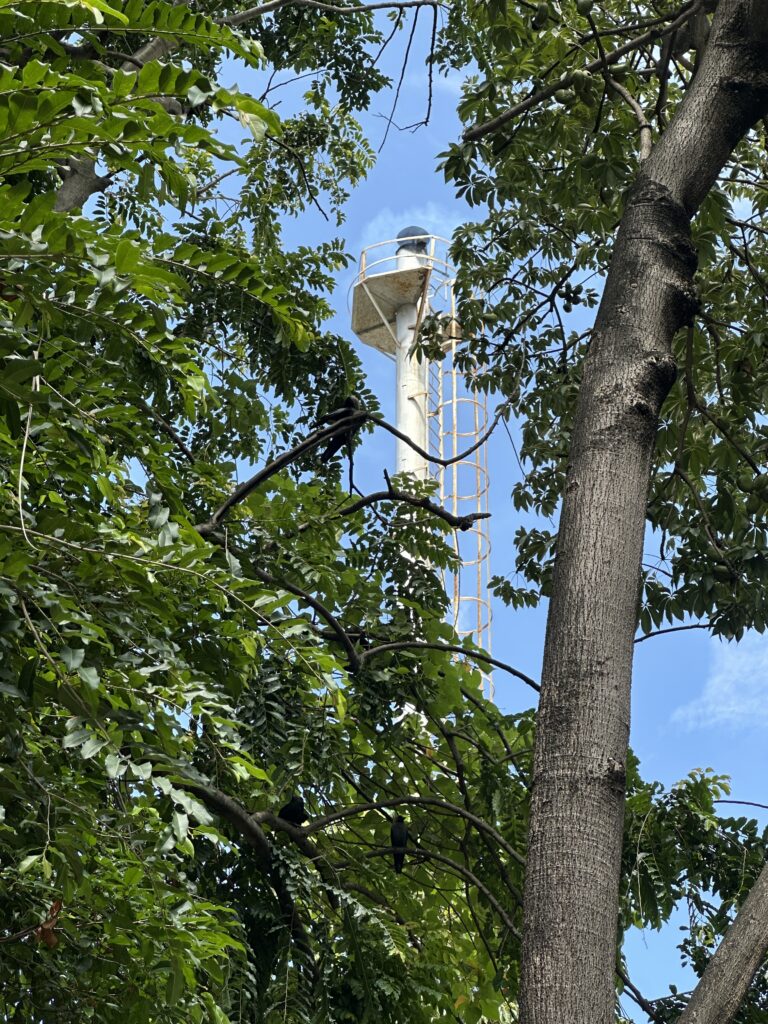
On the day of Ganesh Chaturthi, she passed away. The call that all of us had dreaded for a long time now finally came. She would have turned 80 this year. A long life from Goa to Mahim came to an end. We rushed to Mahim, this time in an Uber and reached earlier than expected, it was a public holiday, after all. The final rites took place at the Dadar crematorium. We chose the electric option and stood back as the gurney rolled her in. We prayed one last time and then my brother and I walked to the sea shore next to Chaitya Bhoomi and looked out at the sea, where we had immersed my father’s ashes. We turned back and saw a steady smoke rise from the tall chimney of the crematorium. All that remained now were memories.
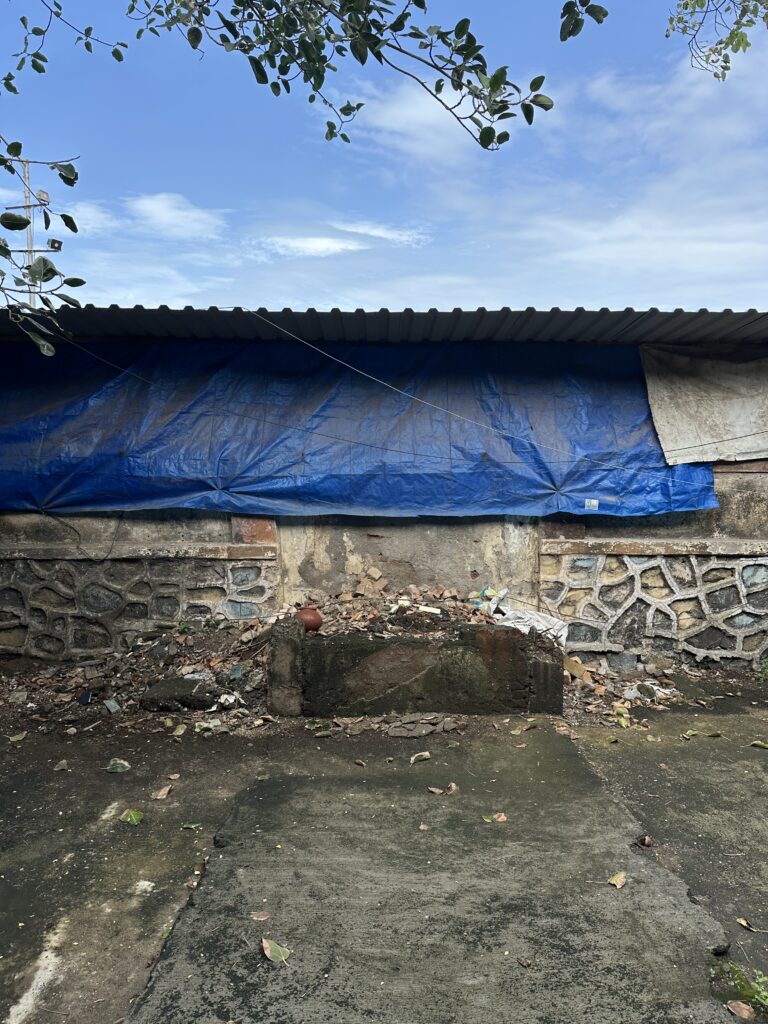
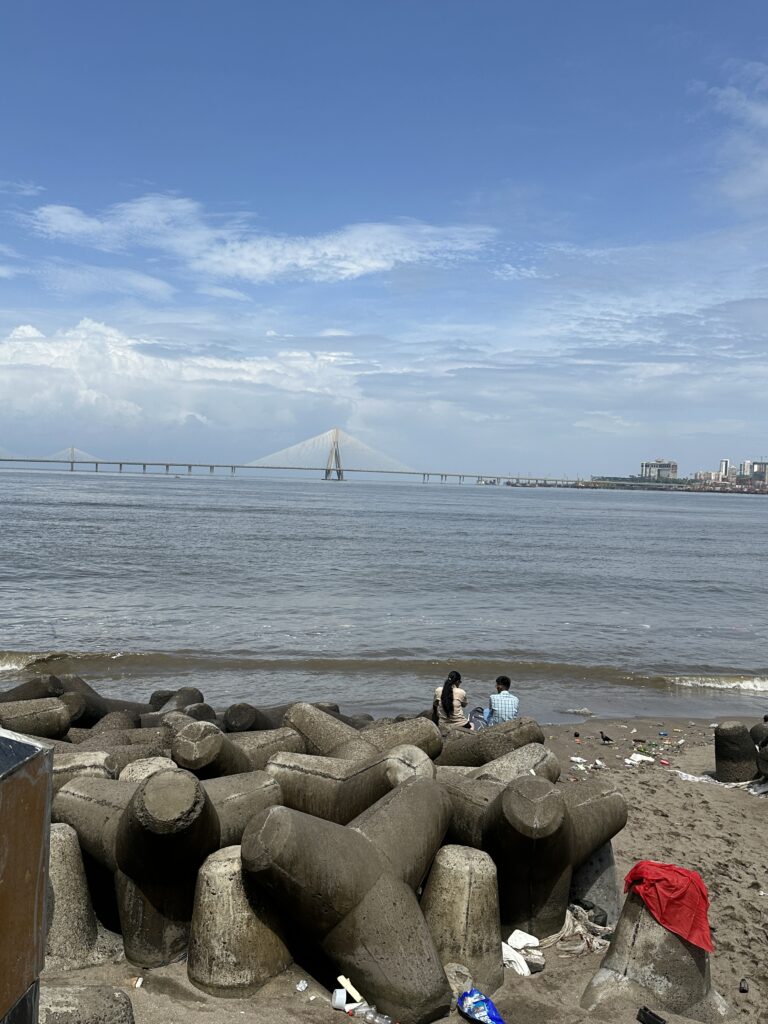
Among all the memories, what stands out the most in my mind is the memory of a random afternoon. My grandma and my mother and aunts are chatting away in the kitchen, my uncles are eating, an aroma of fried fish is wafting through the house, my grandfather is shaving off the wood to smoothen it with his randha and I am lying under the roof looking at the shining sun, looking forward to visiting Shivaji Park beach at sunset. Life was good.